


This post can address the challenges faced by family caregivers, offering guidance on managing caregiver stress.
Read Article
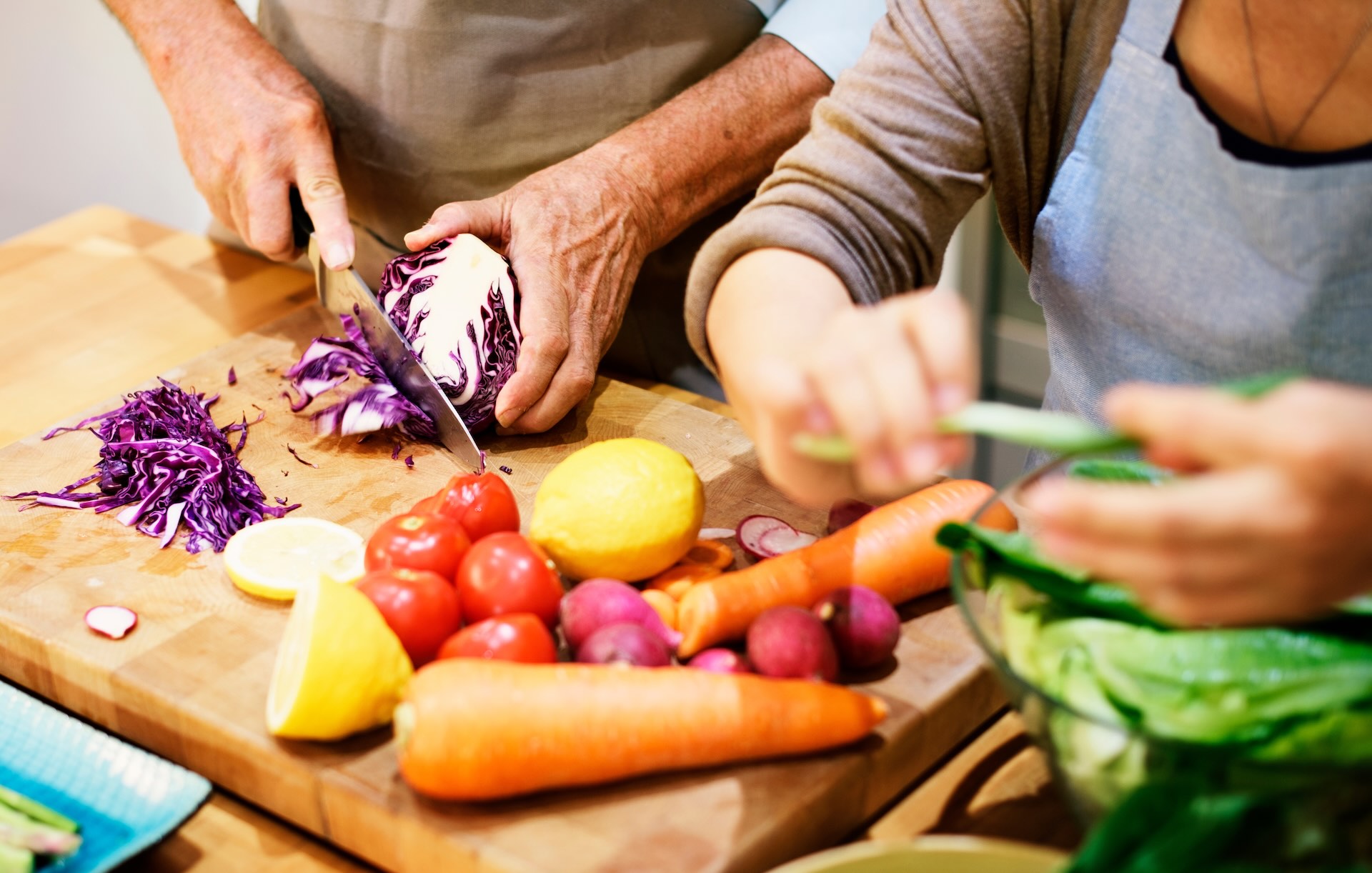
Maintaining good nutrition becomes increasingly important as we age. What we eat affects everything—from our energy levels to our immune system—and plays a major role in keeping diseases at bay. For seniors, thoughtful nutrition can help prevent chronic conditions such as heart disease, diabetes, stroke and osteoporosis.
As the body grows older, metabolism slows and the ability to absorb nutrients changes. Many seniors need fewer calories but more nutrient-dense foods. Diets rich in fruits, vegetables, whole grains and lean proteins are strongly linked to longer life and reduced disease risk. High-fibre foods help regulate blood sugar and support digestion. Healthy fats such as olive oil, nuts and salmon can reduce inflammation and support brain health. Vitamins like D and B12 support bone strength, mood and energy, yet they are often low in older adults.
At the same time, seniors may face very real barriers to eating well. This can include reduced appetite, changes in taste, difficulty shopping or cooking, financial limitations or challenges with chewing and swallowing. Medication side effects can also reduce hunger or cause nausea. For families, it can be worrying to watch a loved one lose weight, skip meals or seem disinterested in food.
This is where support at home makes a real difference. Home care services in Vancouver can help by planning meals, preparing food that matches a senior’s preferences and dietary needs, and by encouraging regular hydration. Caregivers can watch for signs of malnutrition such as loose clothing, fatigue, confusion or frequent illness. They can also work with families and health professionals to adapt meals for conditions such as diabetes, high blood pressure or difficulty swallowing.
Small, consistent changes are often more successful than big overhauls. Adding a vegetable to each plate, offering nutritious snacks like yogurt, fruit or nuts and serving smaller, more frequent meals can all help seniors get the nutrients they need. Shared meals are also powerful; eating with a caregiver or family member can turn food into a social experience instead of a chore.
Good nutrition is one of the most powerful tools we have for disease prevention. With the right support at home, seniors can enjoy meals that are not only healthy, but also comforting and enjoyable. When home care and nutrition go hand in hand, older adults in Vancouver can stay stronger, more independent and more engaged in daily life.

This post can address the challenges faced by family caregivers, offering guidance on managing caregiver stress.

Taking an active role in our health care can help ensure we receive the best possible care from the doctor. One way to do this is to make...